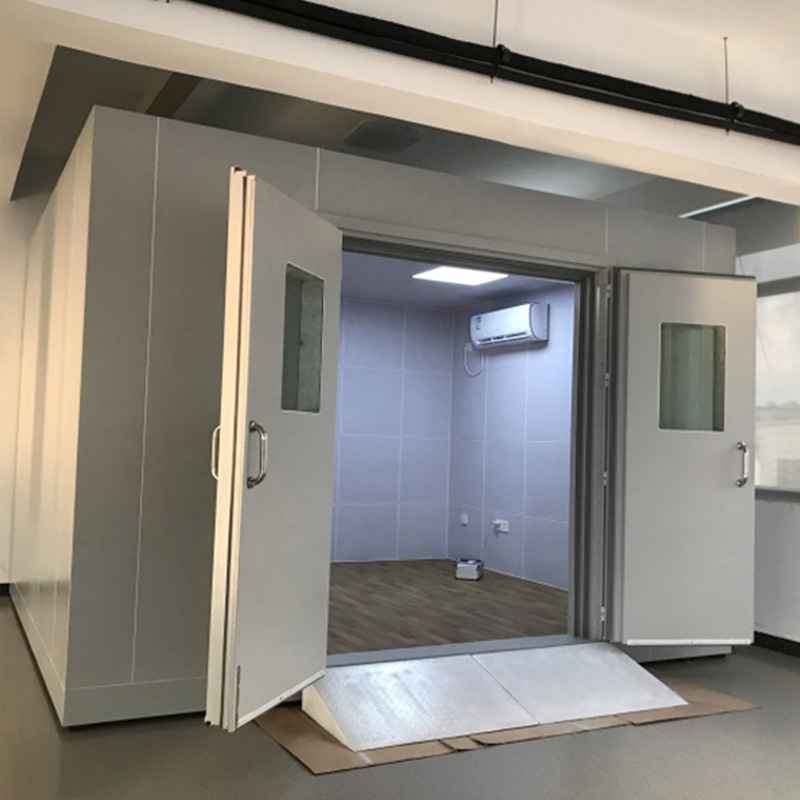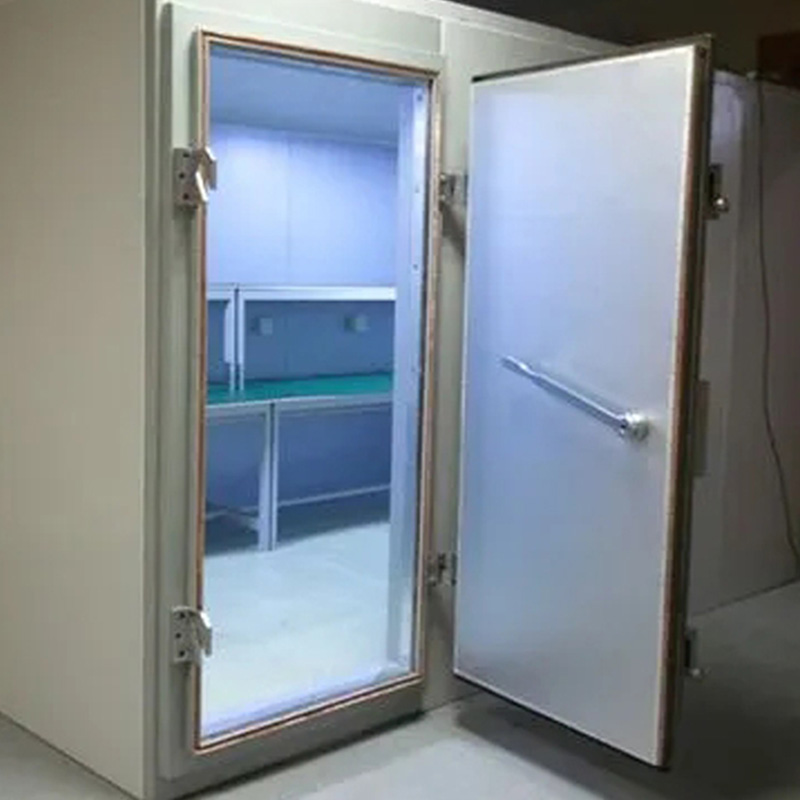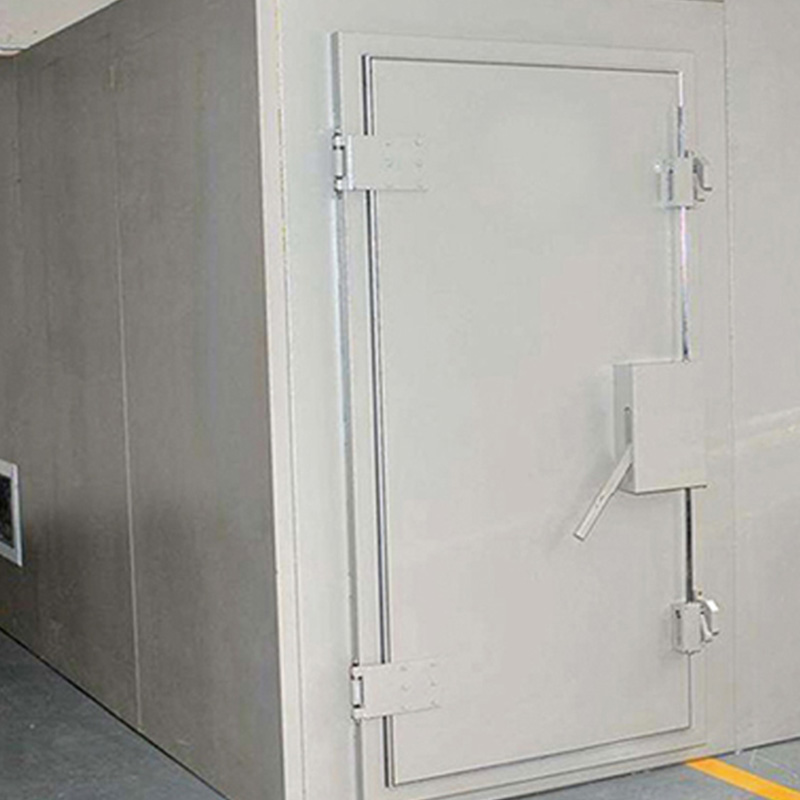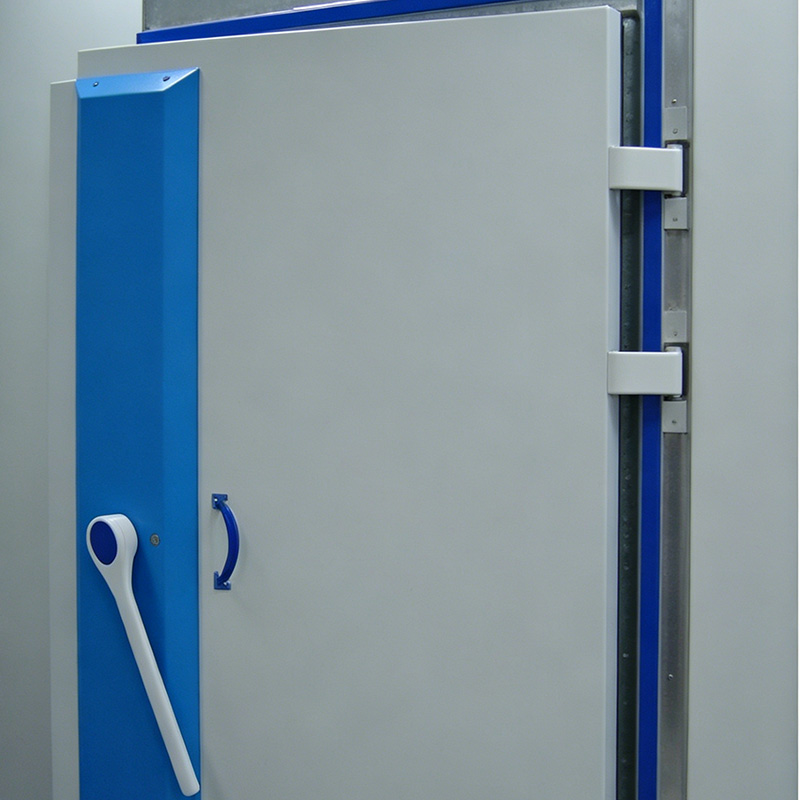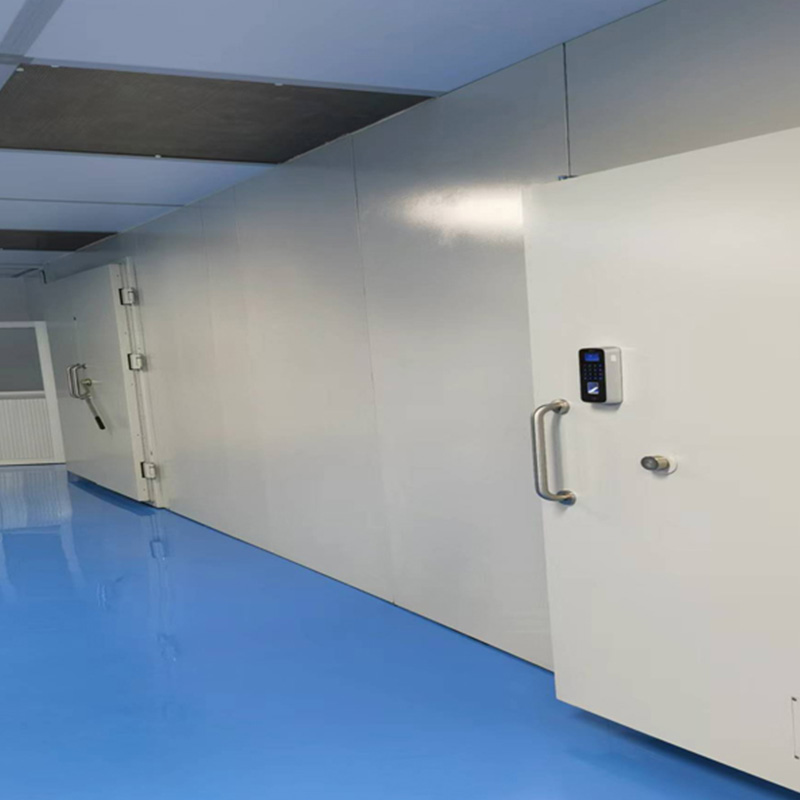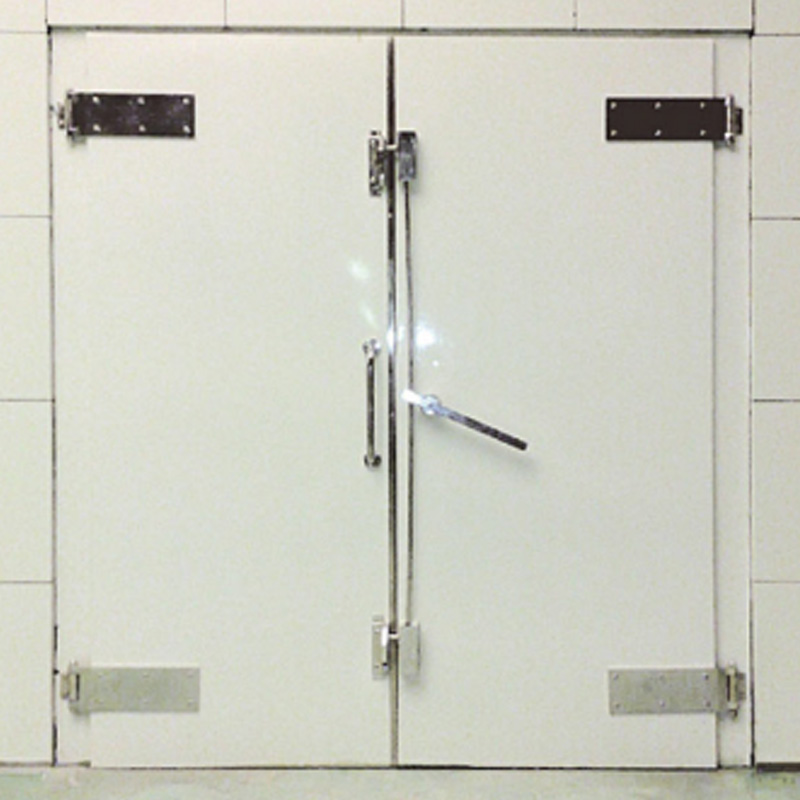



Electromagnetic shielding doors are primarily constructed from metal and possess excellent electromagnetic shielding capabilities. By leveraging the conductive and reflective properties of metal, they either reflect electromagnetic waves back toward their source or absorb them, thereby achieving a shielding effect. When electromagnetic waves encounter a metal shielding door, they undergo reflection and refraction; this prevents the waves from penetrating the door, thereby fulfilling the objective of protecting both equipment and personnel.

Industry Expertise

Global Reach

OEM/ODM Services
An electromagnetic shielding door is a specialized type of door that utilizes electromagnetic shielding technology to effectively block the propagation of electromagnetic waves, thereby protecting equipment and personnel from the interference and hazards associated with electromagnetic radiation. The following provides a detailed overview of electromagnetic shielding doors, including their introduction, technical characteristics, and applications:
Electromagnetic shielding doors are primarily constructed from metal and possess excellent electromagnetic shielding properties. By leveraging the conductive and reflective properties of metal, they either reflect electromagnetic waves back toward their source or absorb them, thereby achieving a shielding effect. When electromagnetic waves encounter a metal shielding door, phenomena such as reflection and refraction occur; this prevents the waves from penetrating the door, thereby fulfilling the objective of protecting both equipment and personnel.
Technical Characteristics
High Shielding Effectiveness: Electromagnetic shielding doors are capable of meeting various levels of shielding requirements—such as military standard Class C—thereby ensuring effective attenuation of electromagnetic waves.
Robust and Reliable Structure:Major components, such as the door leaf and frame, are typically precision-stamped using machine tools. These components are subsequently welded and assembled using specialized fixtures, resulting in a structure that is robust, reliable, dimensionally precise, geometrically sound, and aesthetically pleasing.
Flexible Operation: Electromagnetic shielding doors can be operated either manually or electrically. They open smoothly and effortlessly, offer a long service life, exhibit a low failure rate, and are easy to maintain.
Emergency Mechanisms: In the event of a power outage or system malfunction, electromagnetic shielding doors are typically equipped with emergency mechanisms—such as manual opening devices—to ensure the rapid evacuation of personnel.
Intelligent Control:Modern electromagnetic shielding doors can be integrated with devices such as PLCs (Programmable Logic Controllers) and HMIs (Human-Machine Interfaces) to facilitate the secure control of automated production processes. Additionally, they can be interconnected with various access control systems to enable automated operation.
Applications
Electromagnetic shielding doors are widely utilized across numerous fields, including but not limited to:
Scientific Laboratories:During scientific research and experimentation, laboratory equipment may be susceptible to interference from external electromagnetic fields, potentially leading to deviations and errors in experimental results. Electromagnetic shielding doors effectively block external electromagnetic signals, thereby protecting laboratory equipment from interference and potential damage.
Medical Facilities:The proper functioning of medical equipment—such as CT scanners and MRI machines—requires a stable and controlled electromagnetic environment. Electromagnetic shielding doors safeguard the proper functioning of medical equipment, thereby enhancing the accuracy and reliability of medical diagnosis and treatment, while simultaneously protecting the health and safety of medical personnel and patients.
Communication Base Stations: The vicinity of communication base stations is often permeated by numerous sources of high-frequency electromagnetic waves—such as Wi-Fi signals, microwave ovens, and radar signals. These electromagnetic waves can interfere with the base station's signal transmission, resulting in signal instability. Electromagnetic shielding doors serve to block these waves, ensuring stable signal transmission at the base station and thereby improving overall communication quality and reliability.
Military Bases and Secure Facilities: These locations are frequently exposed to a multitude of electromagnetic interference sources, including radar signals, electronic intelligence jamming, and electromagnetic pulses. Electromagnetic shielding doors effectively block the electromagnetic signals emanating from these interference sources, thereby ensuring the security and stability of critical functions within military bases and secure facilities—including communications, navigation, surveillance, and defensive systems.
Other Fields: Electromagnetic shielding doors are also widely utilized in various other sectors—such as electronics manufacturing, telecommunications equipment, and aerospace—to prevent electromagnetic waves from interfering with or damaging sensitive equipment.
In summary, electromagnetic shielding doors play a pivotal role across numerous fields, distinguished by their key technical attributes: high shielding effectiveness, robust and reliable structural integrity, flexible operation, comprehensive emergency mechanisms, and intelligent control capabilities.
Please fill out the form below, we will be in touch with you shortly.
Back to Top
Committed to providing high-performance electromagnetic shielding, absorbing materials and EMC testing solutions for scientific research institutions, electronic communications, aerospace and confidential information security fields.