



Aerospace, defense, communication and medical, dual-certified materials + system integration, global EMC solutions
Shielded room engineering is a comprehensive systems project designed to mitigate or eliminate the impact of electromagnetic interference (EMI) and electromagnetic radiation on equipment and personnel through the application of specialized shielding materials and technical methods. The objective is to provide a working environment characterized by low electromagnetic radiation levels and high electromagnetic shielding effectiveness. The following is a detailed analysis of the key aspects of shielded room engineering:
I. Project Overview
Shielded room engineering typically encompasses the design and construction of multiple components, including the shielding enclosure, shielded doors, filters, ventilation waveguides, low-voltage cabling systems, interior finishes, power distribution, and room monitoring systems. Collectively, these components constitute a complete shielding system, ensuring that the electromagnetic shielding performance within the room meets predetermined standards.
II. Shielding Enclosure
Materials and Fabrication Processes:
The shielding enclosure serves as the foundation of the entire shielding system; therefore, material selection must take into account shielding requirements across both low-frequency and high-frequency electromagnetic spectra. For the low-frequency spectrum—which is dominated by magnetic fields—high-permeability materials (such as industrial-grade pure iron or Permalloy) are employed. Conversely, for the high-frequency spectrum—dominated by electric fields—high-conductivity materials (such as copper) are utilized.
The ceiling and side walls of the enclosure are typically constructed using pre-formed modules fabricated from 2mm-thick, high-quality galvanized cold-rolled steel sheets, while the floor utilizes 3mm-thick, high-quality galvanized cold-rolled steel sheets. These materials are characterized by their high structural strength and corrosion resistance.
Various fabrication techniques may be employed in the construction of the shielding enclosure—such as flat-panel butt-welding, herringbone-folded edge modules, or frame-based modular structures—to enhance both structural integrity and overall surface flatness.
CO2 gas-shielded welding is utilized for all joints to ensure weld quality and minimize thermal deformation.
Corrosion Protection and Electrical Isolation:
To prevent corrosion caused by condensation—which may form on the steel panels due to temperature fluctuations—the steel modules undergo a high-temperature curing and powder-coating treatment. Additionally, the welded seams are coated with an environmentally resistant, anti-corrosive paint.
The electrical insulation resistance between the shielded room and the surrounding building structure must exceed 10 kΩ. This is achieved by installing industrial-grade rubber mats beneath the floor structure and utilizing insulated hangers for the ceiling suspension system.
III. Shielded Doors
The shielded door represents the largest aperture component within the shielding system. Typically, a "double-knife-edge" electric shielded door is specified, with standard dimensions of 1.0m × 2.0m.
Electromagnetic sealing for the shielded door is achieved through the use of finger-stock gaskets, which provide excellent elastic stability and electrical conductivity. The door's transmission mechanism employs a direct rack-and-pinion drive coupled with a four-point locking structure, utilizing hinges to facilitate the door's rotational movement.
The shielded door is equipped with an access control system that supports both automatic closing and manual operation functions, ensuring that the door can still be opened manually even in the event of a power failure.
IV. Cable and Conduit Entry
The shielded room requires the entry of numerous cables and fluid/gas conduits; therefore, effective measures must be implemented to prevent electromagnetic leakage.
Power cables, auxiliary signal lines, and fluid/gas lines must all pass through filters and waveguide tubes to ensure that the shielding effectiveness remains uncompromised.
The function of the filters is to selectively pass useful signals while suppressing the conductive leakage and secondary emission of electromagnetic signals; conversely, waveguide tubes utilize the principle of cutoff waveguides to block the leakage of electromagnetic signals below specific frequencies.
V. Ventilation Windows and Interior Finishes
The shielded room requires the installation of ventilation windows to regulate indoor air freshness, utilizing high-efficiency ventilation devices such as hexagonal honeycomb waveguide windows.
Interior finishing work encompasses the treatment of walls, columns, floors, and ceilings; lightweight, high-strength, and corrosion-resistant materials are employed to ensure both the cleanliness and aesthetic appeal of the room.
VI. Other Systems
The power distribution system must ensure the stability and safety of the power supply, meeting the electrical demands of the equipment housed within the room.
The room monitoring system is utilized to provide real-time surveillance of parameters such as temperature, humidity, and electromagnetic radiation levels within the room, thereby ensuring that the environmental conditions meet all specified requirements.
VII. Construction and Acceptance
The construction of the shielded room project must be executed in strict accordance with the approved design plan and relevant standards to ensure high-quality workmanship.
Upon completion of construction, rigorous testing and acceptance procedures—including electromagnetic shielding effectiveness tests, ground resistance tests, and insulation resistance tests—must be conducted to verify that all performance metrics of the room meet the design specifications.
In summary, the construction of a shielded room is a complex and intricate systems engineering undertaking that requires a comprehensive consideration of multiple factors to ensure both effective electromagnetic shielding and operational safety. As technology continues to advance and its application fields continue to expand, shielded room projects are poised to play an increasingly vital role in the future.
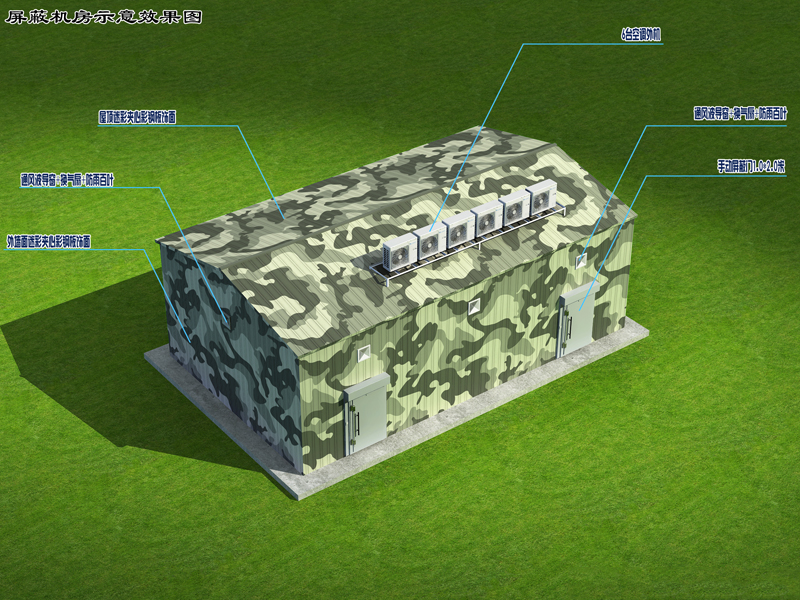
Field Shielding Enclosures
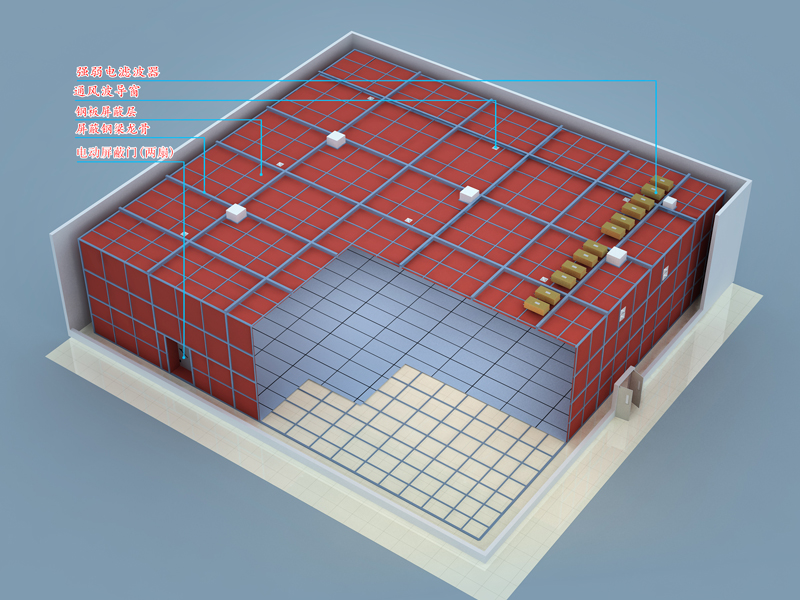
Shielded Room Engineering
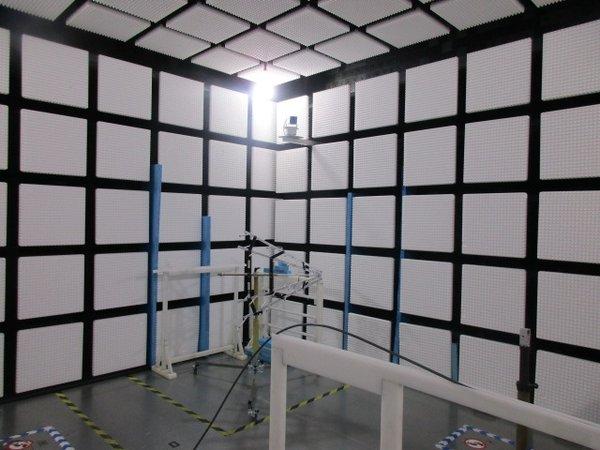
EMC Laboratories
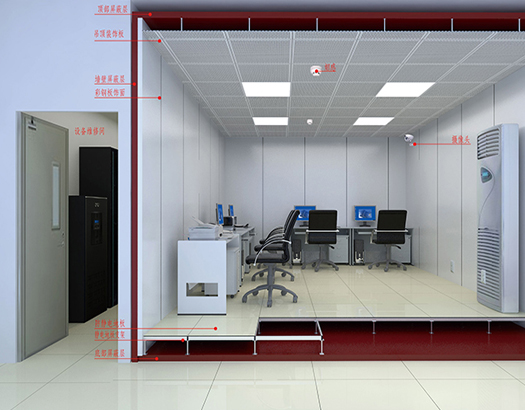
Partial Discharge Shielding
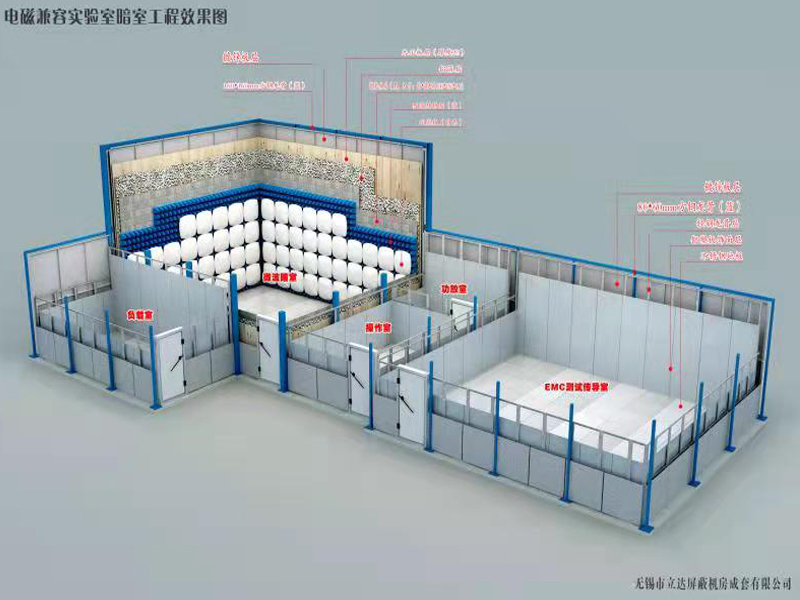
EMC Anechoic Chamber Engineering
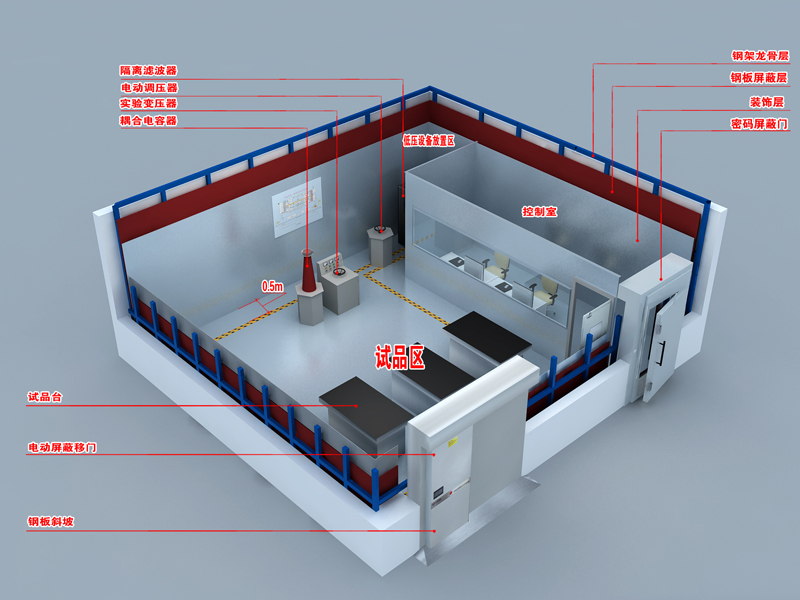
Shielding Construction Projects
Back to Top
Committed to providing high-performance electromagnetic shielding, absorbing materials and EMC testing solutions for scientific research institutions, electronic communications, aerospace and confidential information security fields.
