


Industry News
May 26,2026
By:ZKHW
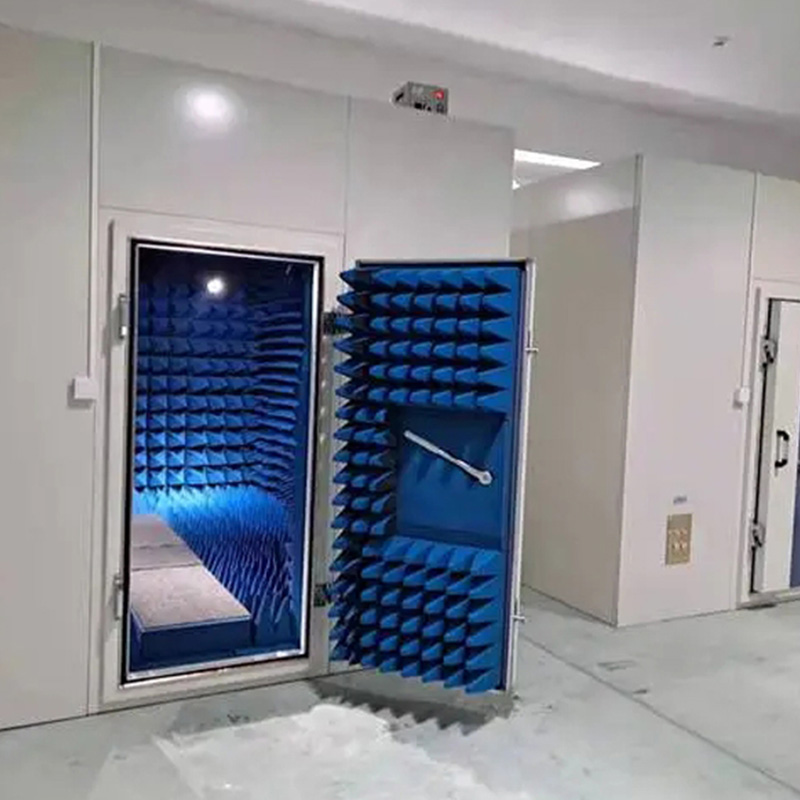
From mitigating communication interference to safeguarding information security, wave-absorbing materials play a pivotal role in protecting our digital world. The following is a detailed analysis of how wave-absorbing materials serve to protect our digital realm across these two critical domains:
I. Reducing Communication Interference
Absorption of Electromagnetic Waves and Interference:
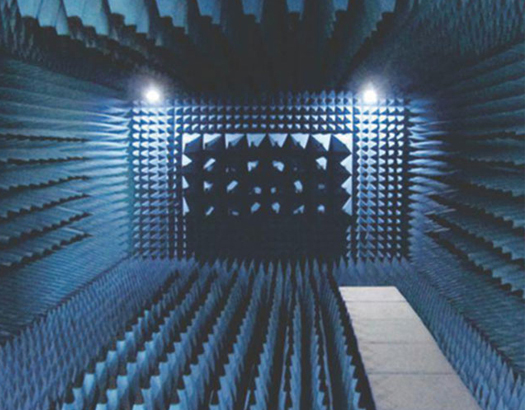
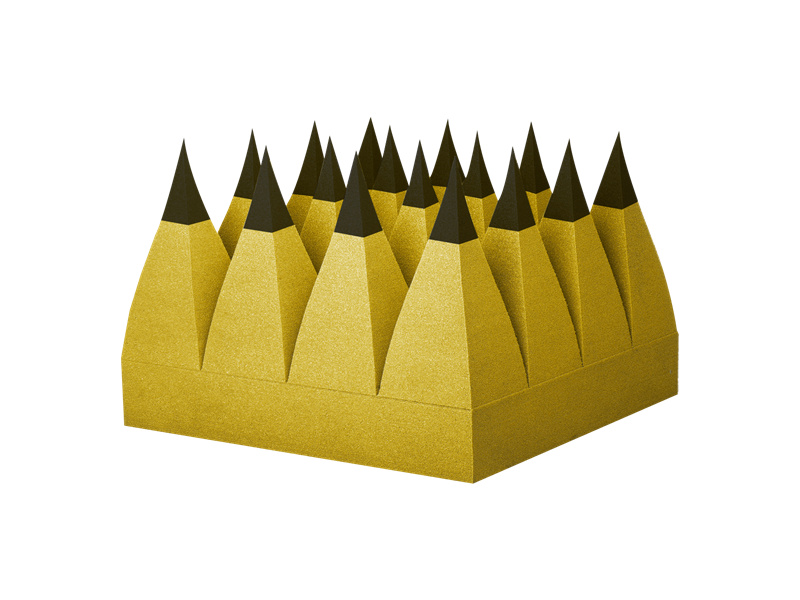
Wave-absorbing materials possess the ability to absorb the electromagnetic wave energy incident upon their surfaces. Through internal loss mechanisms, they convert this energy into heat or other forms of energy, thereby minimizing the reflection and scattering of electromagnetic waves. This inherent characteristic renders wave-absorbing materials highly effective in reducing communication interference.
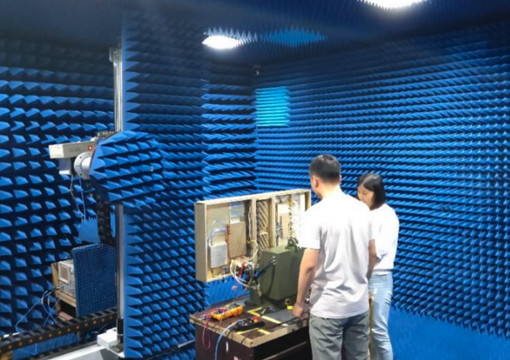
In high-frequency electronic components and communication products—such as mobile phones, base stations, and antennas—wave-absorbing materials are widely employed to mitigate electromagnetic interference (EMI) and radio-frequency interference (RFI) between components, thereby ensuring stable signal transmission and the proper functioning of devices.
Isolating Coupling Interference Between Adjacent Components:
In complex electronic systems, electromagnetic coupling between adjacent components can often give rise to interference. Wave-absorbing materials serve to effectively isolate these components, reducing the coupling interference between them and thereby enhancing the overall performance of the system.
Mitigating Instability Caused by Electromagnetic Interference:
Electromagnetic interference can cause electronic devices to operate unstably or even result in malfunctions. By absorbing electromagnetic waves, wave-absorbing materials diminish the impact of interference sources on devices, thereby reducing the operational instability caused by electromagnetic interference.
II. Protecting Information Security
Preventing Information Leakage via Electromagnetic Waves:
In the realm of information security, preventing the leakage of information via electromagnetic waves is of paramount importance. Wave-absorbing materials can be integrated into the casings or internal structures of sensitive devices—such as computers, servers, and communication equipment—to effectively absorb and shield the electromagnetic waves generated by these devices. This prevents information from being inadvertently leaked to unauthorized recipients through electromagnetic radiation.
For instance, in military communication systems, wave-absorbing materials are utilized to protect communication equipment against hostile electronic reconnaissance and jamming, thereby ensuring the secure transmission of communication content.
Enhancing the Anti-Interference Capabilities of Information Devices:
Wave-absorbing materials also serve to bolster the anti-interference capabilities of information devices. During the process of information transmission, devices may be subjected to electromagnetic interference originating from the external environment. By integrating wave-absorbing materials into these devices, such interference signals can be absorbed and attenuated, thereby ensuring the accurate transmission and reception of information.
Application in Anti-Eavesdropping Equipment and Protective Measures:
Within the field of information security, wave-absorbing materials are also utilized in the manufacture of anti-eavesdropping devices and various protective countermeasures. These devices leverage the properties of wave-absorbing materials to mitigate the propagation and reflection of electromagnetic waves in their immediate vicinity, thereby reducing the risk of eavesdropping.
From communication interference mitigation to information security, wave-absorbing materials play an indispensable role in safeguarding our digital world. By minimizing the reflection, scattering, and coupling interference of electromagnetic waves, these materials ensure the stable transmission of communication signals and the proper functioning of electronic devices. Simultaneously, by preventing electromagnetic leakage and enhancing the anti-interference capabilities of information systems, wave-absorbing materials effectively bolster information security. As technology continues to advance, the prospects for the application of wave-absorbing materials within the digital realm are set to become even broader.


Back to Top
Committed to providing high-performance electromagnetic shielding, absorbing materials and EMC testing solutions for scientific research institutions, electronic communications, aerospace and confidential information security fields.
