


Industry News
May 26,2026
By:ZKHW
The integration of smart buildings with electromagnetic wave-absorbing materials is gradually emerging as a key trend in the creation of radiation-free living spaces. The following sections detail how this combination contributes to realizing a healthier and safer residential environment.
I. Electromagnetic Environment Issues in Smart Buildings
In smart buildings, the electromagnetic environment becomes particularly complex due to the integration of a vast array of electronic devices, communication systems, and automated control systems. When operational, these devices generate electromagnetic waves across various frequencies—including radio waves, microwaves, infrared radiation, visible light, ultraviolet radiation, and even higher-frequency X-rays and gamma rays. While the impact of these electromagnetic waves on human health remains limited within normal usage parameters, excessive electromagnetic radiation can still pose potential threats to human health and cause interference with electronic equipment.
II. The Mechanism of Electromagnetic Wave-Absorbing Materials
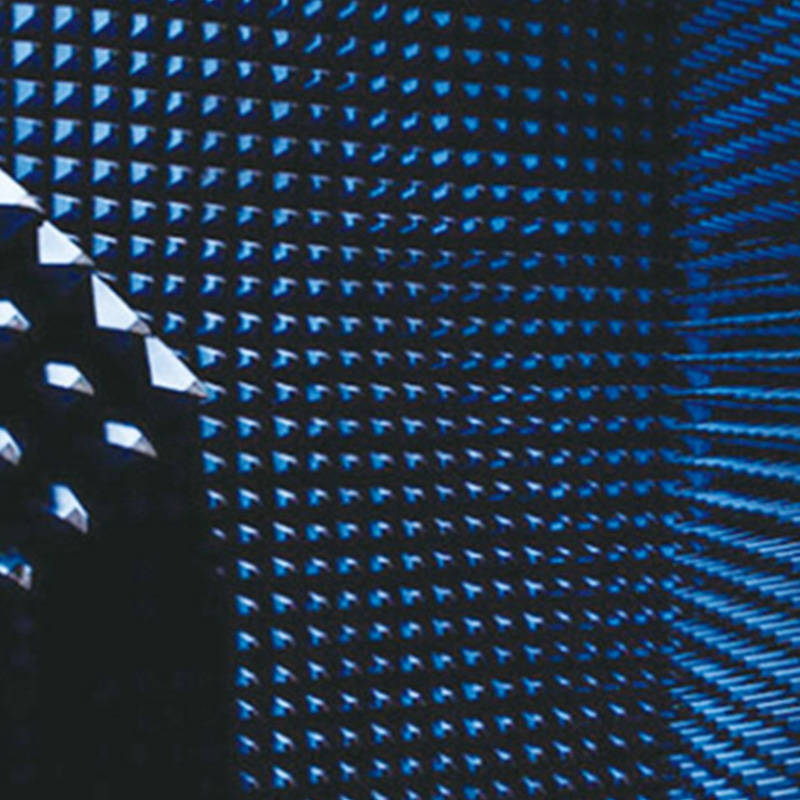
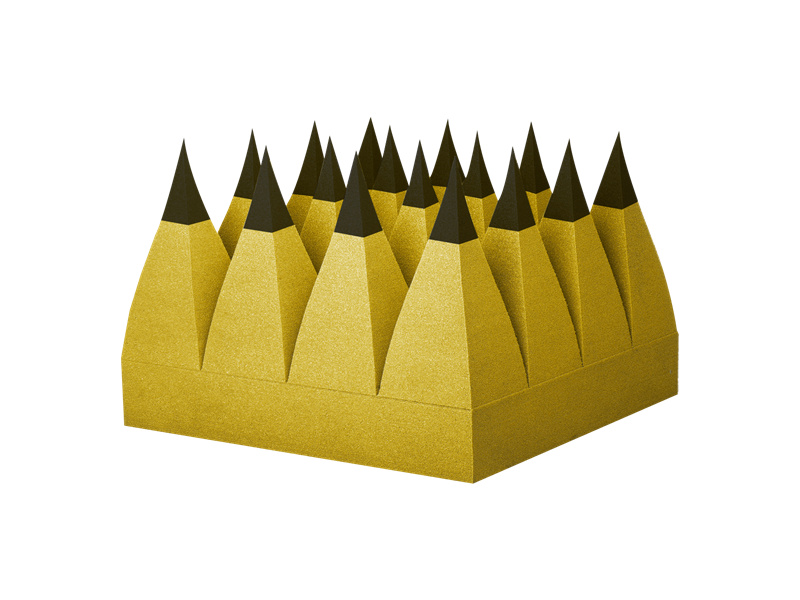
Electromagnetic wave-absorbing materials are specialized substances capable of absorbing or significantly attenuating the energy of electromagnetic waves. Through specific physical and chemical mechanisms—such as the interaction between polar molecules or ions and electromagnetic waves, as well as the material's electrical conductivity or magnetic permeability—these materials convert electromagnetic energy into thermal energy or other forms of energy, thereby reducing electromagnetic wave reflection and interference. This capability renders wave-absorbing materials instrumental in improving the electromagnetic environment, safeguarding human health, and enhancing equipment performance.
III. Applications of Electromagnetic Wave-Absorbing Materials in Smart Buildings
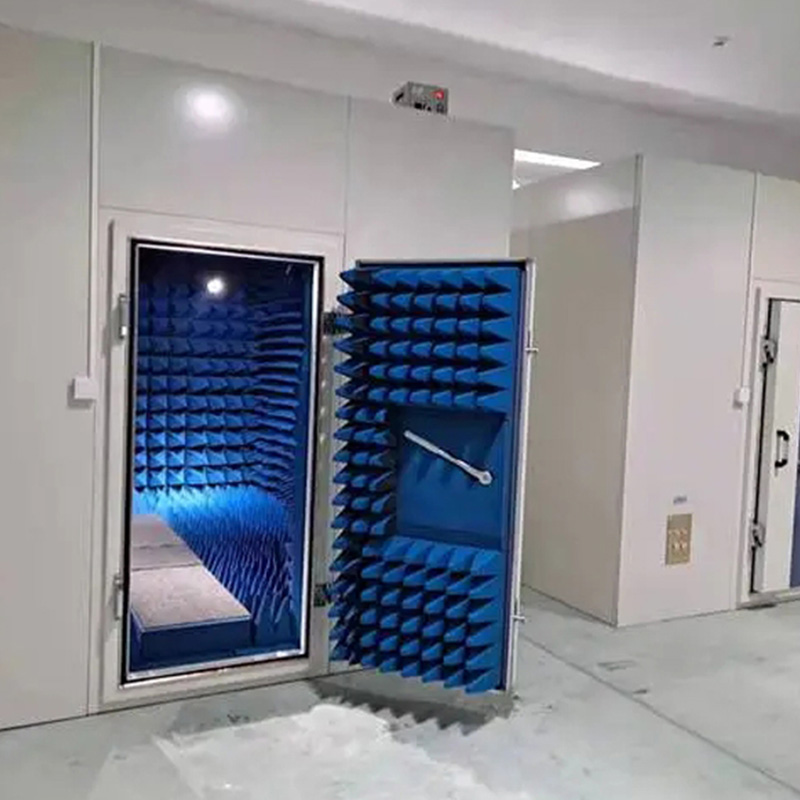
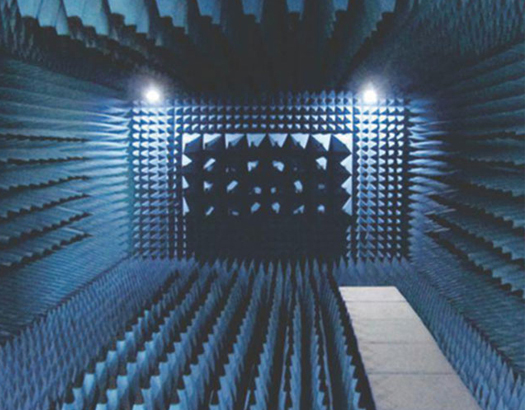
Indoor Electromagnetic Radiation Control:** Within the interior environments of smart buildings, wave-absorbing materials can be applied to surfaces such as walls, ceilings, and floors to effectively absorb and attenuate electromagnetic radiation emitted by electronic devices. This lowers indoor radiation levels, providing residents with a healthier living environment.
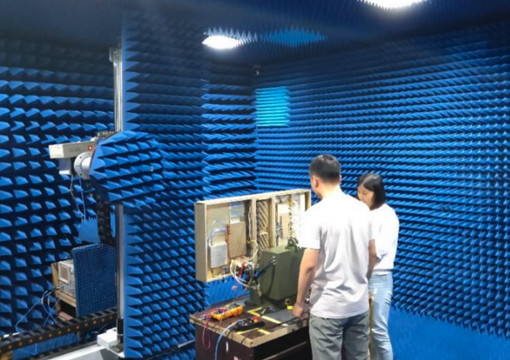
Communication Equipment Protection:** In the communication systems of smart buildings, wave-absorbing materials can be utilized to shield communication equipment from external electromagnetic interference, thereby ensuring the stable transmission and reception of communication signals. Concurrently, these materials can minimize electromagnetic radiation leakage from the communication devices themselves, enhancing the overall security and reliability of the communication system.
Optimization of Automated Control Systems:** The automated control systems within smart buildings comprise a multitude of electronic components, including sensors, actuators, and controllers. The application of wave-absorbing materials helps mitigate electromagnetic interference among these devices, thereby improving the overall performance and stability of the system.
Energy Efficiency and Environmental Sustainability:** Certain types of wave-absorbing materials possess additional functionalities—such as thermal insulation and soundproofing—which allow them to simultaneously enhance a building's energy efficiency and environmental performance while improving its electromagnetic environment. For instance, certain novel wave-absorbing materials can be integrated with building insulation materials to create composite materials endowed with multiple functions.
IV. Future Development Trends
With advancements in technology and rising expectations regarding quality of life, the prospects for applying wave-absorbing materials in smart buildings are set to become even broader. In the future, the development of wave-absorbing materials will trend toward characteristics such as broadband coverage, high absorption efficiency, low cost, and multifunctionality. Concurrently, as environmental awareness grows, green and recyclable wave-absorbing materials are also poised to become a key focus of research.
In summary, the integration of smart buildings with wave-absorbing materials represents a crucial pathway toward creating radiation-free living spaces. Through the judicious application of these materials, we can effectively enhance the electromagnetic environment within smart buildings, safeguard human health, optimize equipment performance, and drive the evolution of smart buildings toward a safer, healthier, and more environmentally sustainable future.
Back to Top
Committed to providing high-performance electromagnetic shielding, absorbing materials and EMC testing solutions for scientific research institutions, electronic communications, aerospace and confidential information security fields.
