


Company News
May 22,2026
By:ZKHW
In the field of electromagnetic shielding, selecting the appropriate wave-absorbing material often determines the ultimate success or failure of an entire project. As Zhongke Hewei Electromagnetic Technology (Jiangsu) Co., Ltd.—a company dedicated to the R&D and manufacturing of wave-absorbing materials—we fully understand that choosing between polyurethane-based and non-woven fabric-based wave-absorbing materials is no easy task. So, how exactly should one make this decision? Today, drawing upon practical application scenarios, we will delve into the respective strengths and weaknesses of these two materials, demystifying the process of selecting the right wave-absorbing solution for your needs.
I. Selecting Wave-Absorbing Materials: An Analysis of Key Factors
When selecting wave-absorbing materials, it is essential to comprehensively consider a multitude of key factors, including absorption performance, physical properties, processability, and safety characteristics. These factors not only influence the material's ultimate effectiveness in application but also directly impact the project's overall cost and feasibility.
1. Absorption Performance
Polyurethane-based wave-absorbing materials are renowned for their broad-spectrum absorption capabilities and high efficiency. Research indicates that polyurethane foam-based absorbers demonstrate exceptional absorption performance within the 300 MHz to 18 GHz frequency range, making them particularly well-suited for electromagnetic shielding applications in high-frequency domains. This means that whether the application involves military radar countermeasures or the suppression of electromagnetic interference in civilian communication equipment, polyurethane absorbers can provide robust and reliable support.
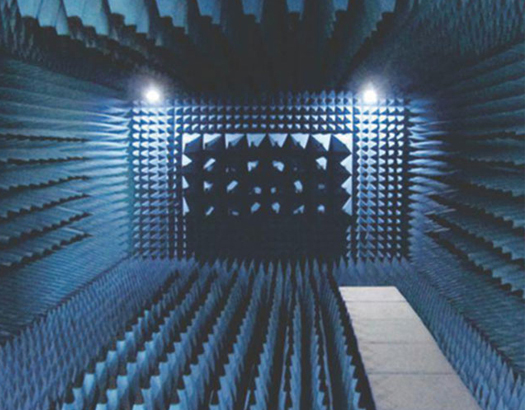
Non-woven fabric-based wave-absorbing materials, conversely, excel in their excellent broadband characteristics, as well as their scattering and isolation attenuation capabilities. They are particularly suitable for environments requiring precise control over the electromagnetic field—such as microwave anechoic chambers. Possessing strong low-frequency characteristics, these materials can effectively absorb electromagnetic waves within the 1 GHz to 20 GHz range, thereby ensuring a stable electromagnetic environment for anechoic chamber testing.
2. Physical Properties
Polyurethane-based wave-absorbing materials are distinguished not only by their outstanding absorption performance but also by their impressive physical properties. These materials are lightweight, easy to process, and possess sufficient structural strength; furthermore, they exhibit characteristics such as resistance to deformation and the absence of particle shedding (dusting), thereby ensuring long-term stability in use. For electromagnetic shielding projects that require frequent relocation or long-term deployment, these attributes undoubtedly constitute a significant advantage.
Non-woven fabric-based wave-absorbing materials, on the other hand, are favored for their lightweight nature, structural rigidity, and high absorption efficiency. Furthermore, its exceptional fire-retardant properties meet the B1 classification (flame-retardant grade) stipulated in the national standard GB8624-06, *Classification for Burning Behavior of Building Materials*, thereby providing a robust guarantee for operational safety. In high-risk environments—such as anechoic chambers—the fire-retardant performance of non-woven absorbing materials becomes particularly critical.
3. Processing Characteristics
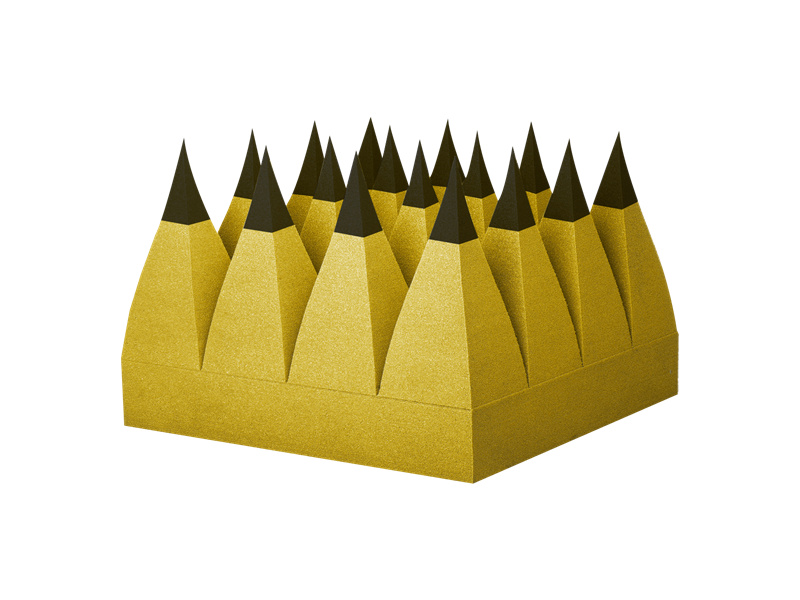
The processing characteristics of polyurethane absorbing materials are equally impressive and should not be underestimated. By utilizing Reinforced Reaction Injection Molding (RRIM) technology, polyurethane absorbing materials can be mass-produced continuously, ensuring both material strength and performance stability. Concurrently, these materials can be fabricated into various shapes and specifications—such as pyramidal or conical structures—to meet the specific requirements of diverse applications.
Non-woven absorbing materials also demonstrate outstanding performance in terms of processing. Their material substrates are available in a wide range of dimensions, allowing them to satisfy diverse technical specifications. Moreover, the non-woven material itself possesses excellent flexibility and malleability, making it easy to cut and install. This feature is undoubtedly a significant advantage for projects requiring precise control over the shape and dimensions of the absorbing materials.
4. Safety Performance
In the field of electromagnetic shielding, safety performance is a factor that cannot be overlooked. Although polyurethane absorbing materials may not possess the same high fire-retardant rating as their non-woven counterparts, their characteristics—such as being non-toxic, environmentally friendly, and free from irritating gas emissions during long-term use—still ensure a safe operating environment for users.
Non-woven absorbing materials, on the other hand, distinguish themselves through their superior fire-retardant properties. In high-risk environments—such as anechoic chambers—non-woven absorbing materials effectively eliminate fire hazards stemming from the materials themselves, thereby safeguarding both testing equipment and personnel.
II. Polyurethane Absorbing Materials vs. Non-woven Absorbing Materials: A Comparison of Practical Application Scenarios
In practical application scenarios, both polyurethane and non-woven absorbing materials possess their own distinct advantages. As specialists at Zhongke Hewei Electromagnetic Technology (Jiangsu) Co., Ltd., we draw upon our extensive experience to analyze and compare the performance of these two materials across various application contexts.
1. Military Radar Countermeasures
In the field of military radar countermeasures, the requirements for both the electromagnetic absorption capabilities and the physical properties of absorbing materials are exceptionally rigorous. Due to their broad-spectrum absorption and highly efficient wave-absorbing capabilities, polyurethane wave-absorbing materials have become the preferred choice for radar stealth technology. Whether applied to the fuselage or the wings of stealth aircraft, these polyurethane materials effectively reduce the radar cross-section, thereby enhancing the aircraft's overall stealth performance.
2. Microwave Anechoic Chamber Testing
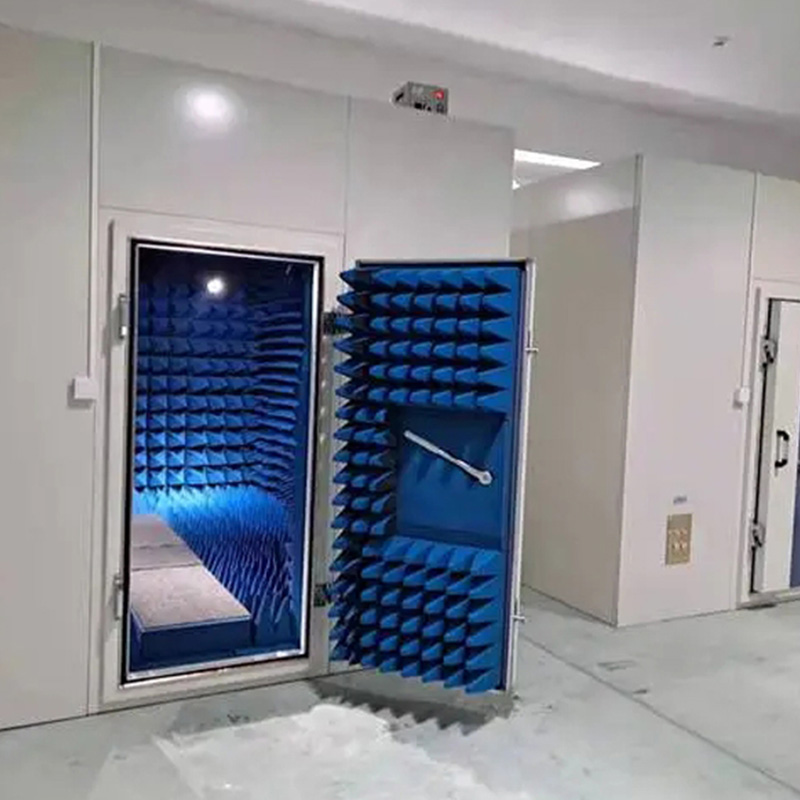
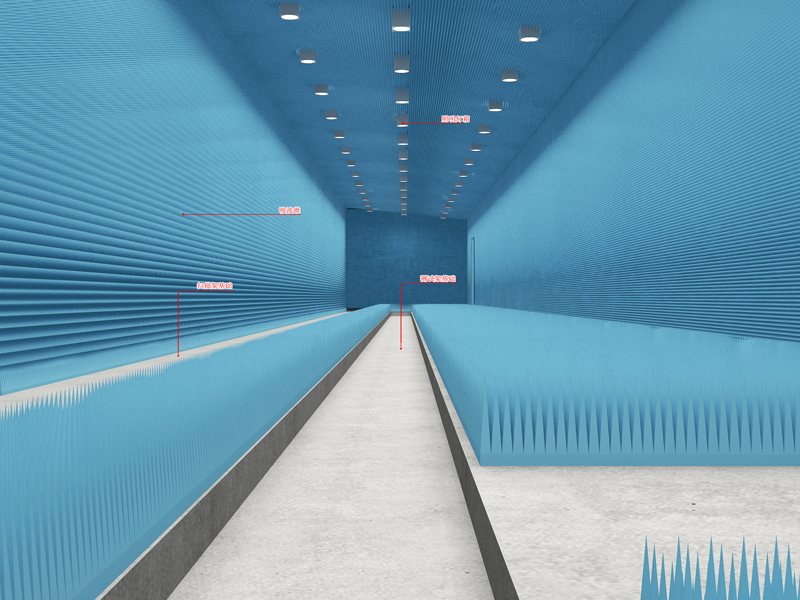
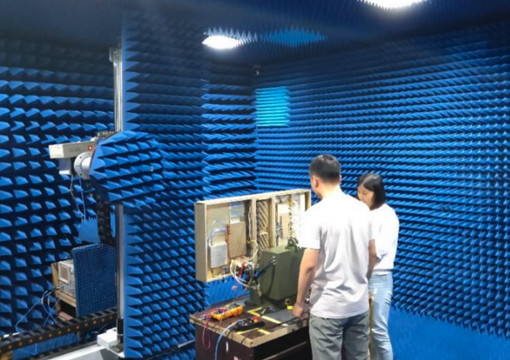
In the context of microwave anechoic chamber testing, there are stringent requirements regarding the broadband performance, scattering and isolation attenuation characteristics, and fire resistance of wave-absorbing materials. Non-woven wave-absorbing materials, distinguished by their excellent broadband performance and fire-retardant properties, represent an ideal choice for such testing environments. Lightweight, rigid, and possessing a high absorption rate, these materials effectively reduce background noise within the anechoic chamber, thereby enhancing testing accuracy.
3. Electromagnetic Shielding for Communication Equipment
In the field of electromagnetic shielding for communication equipment, there are elevated demands regarding the processability and long-term stability of wave-absorbing materials. Polyurethane wave-absorbing materials—characterized by their ease of processing and superior long-term stability—have emerged as the preferred choice for electromagnetic shielding applications in communication devices. Whether utilized in base stations, antennas, or other related equipment, these polyurethane materials deliver consistent electromagnetic shielding effects, thereby ensuring high-quality communication performance.
III. How to Make an Informed Choice?
When selecting between polyurethane and non-woven wave-absorbing materials, it is essential to comprehensively evaluate a multitude of factors, including specific project requirements, intended application scenarios, and budgetary constraints. Polyurethane wave-absorbing materials—distinguished by their broad-spectrum absorption, high efficiency, and ease of processing—demonstrate significant advantages in fields such as military radar countermeasures and electromagnetic shielding for communication equipment. Conversely, non-woven wave-absorbing materials—characterized by their excellent broadband performance, fire resistance, and lightweight nature—excel in high-stakes environments such as microwave anechoic chamber testing.
As professionals at Zhongke Hewei Electromagnetic Technology (Jiangsu) Co., Ltd., we strongly recommend that you clearly define your project requirements and application scenarios when selecting wave-absorbing materials, while simultaneously integrating your budgetary considerations into the decision-making process. Regardless of whether you ultimately choose polyurethane or non-woven wave-absorbing materials, we are committed to providing you with products and services of the highest quality to ensure the successful advancement of your project.

Back to Top
Committed to providing high-performance electromagnetic shielding, absorbing materials and EMC testing solutions for scientific research institutions, electronic communications, aerospace and confidential information security fields.
